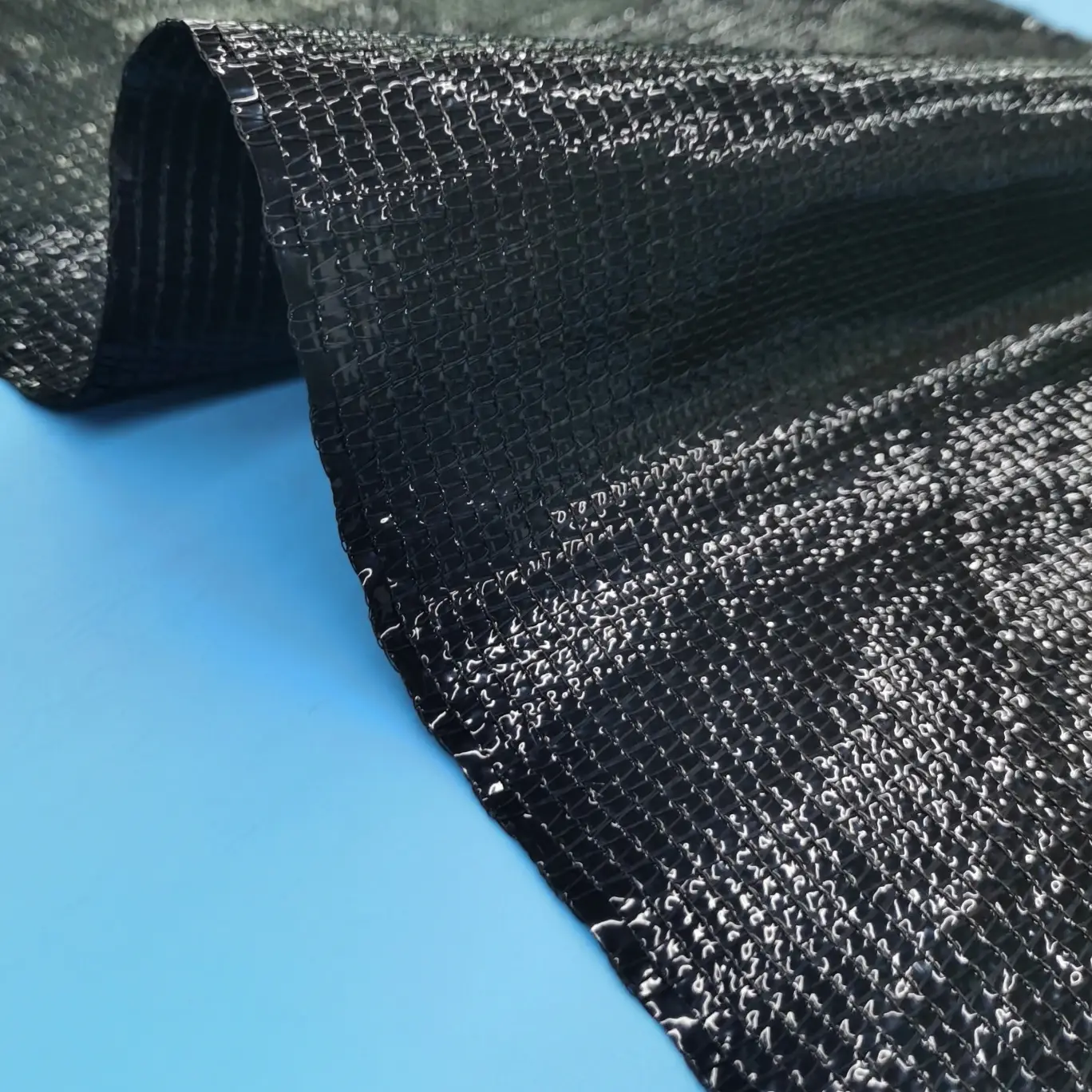
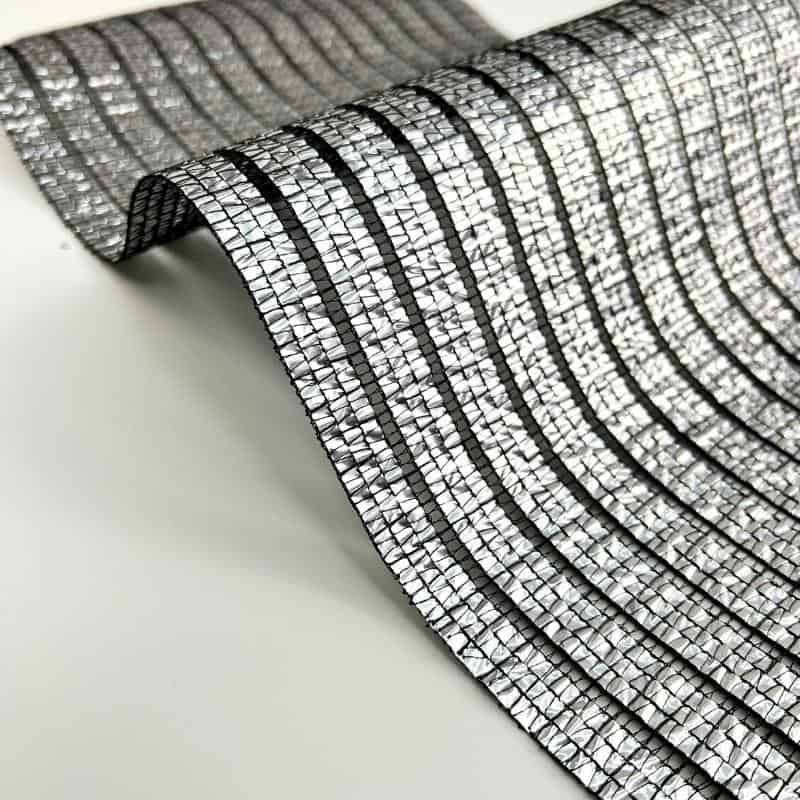
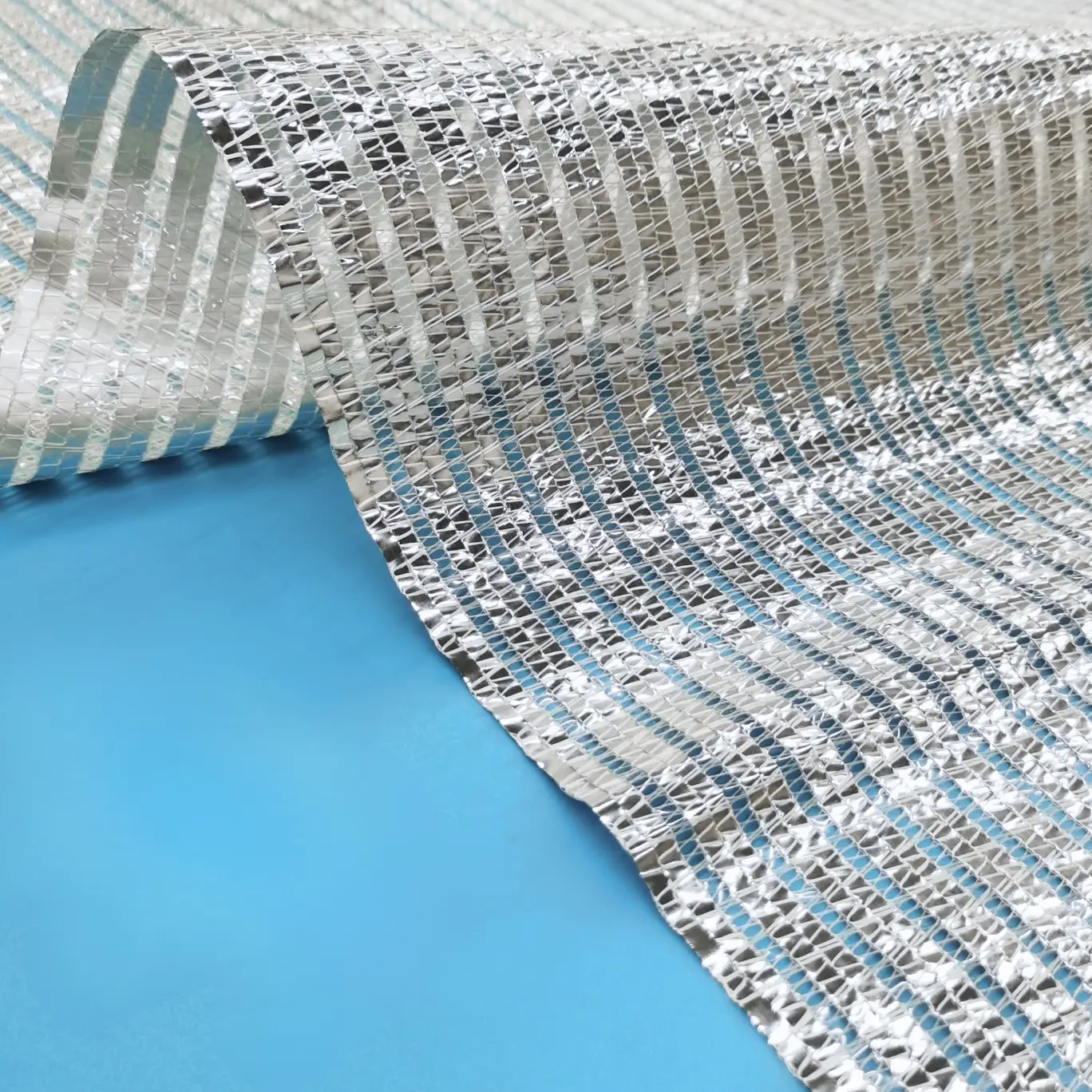
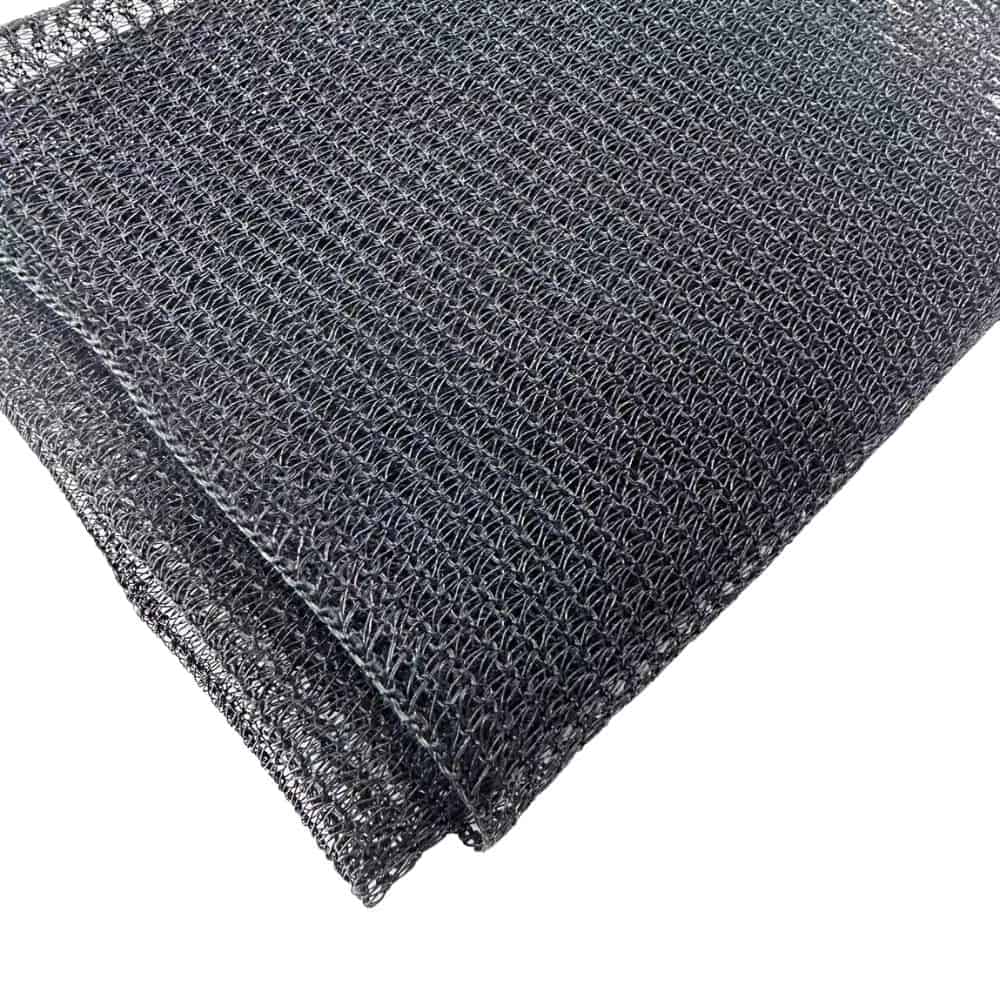
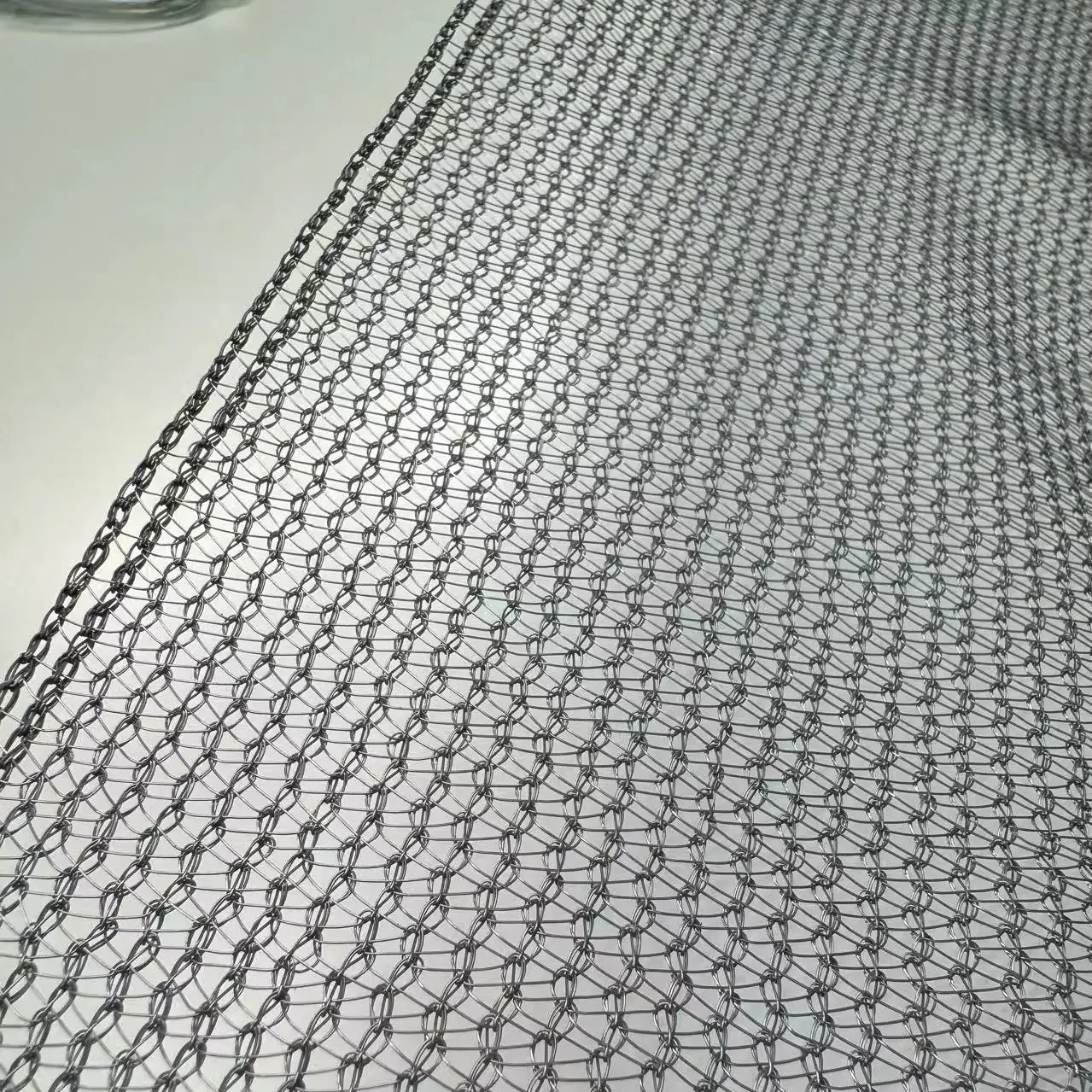
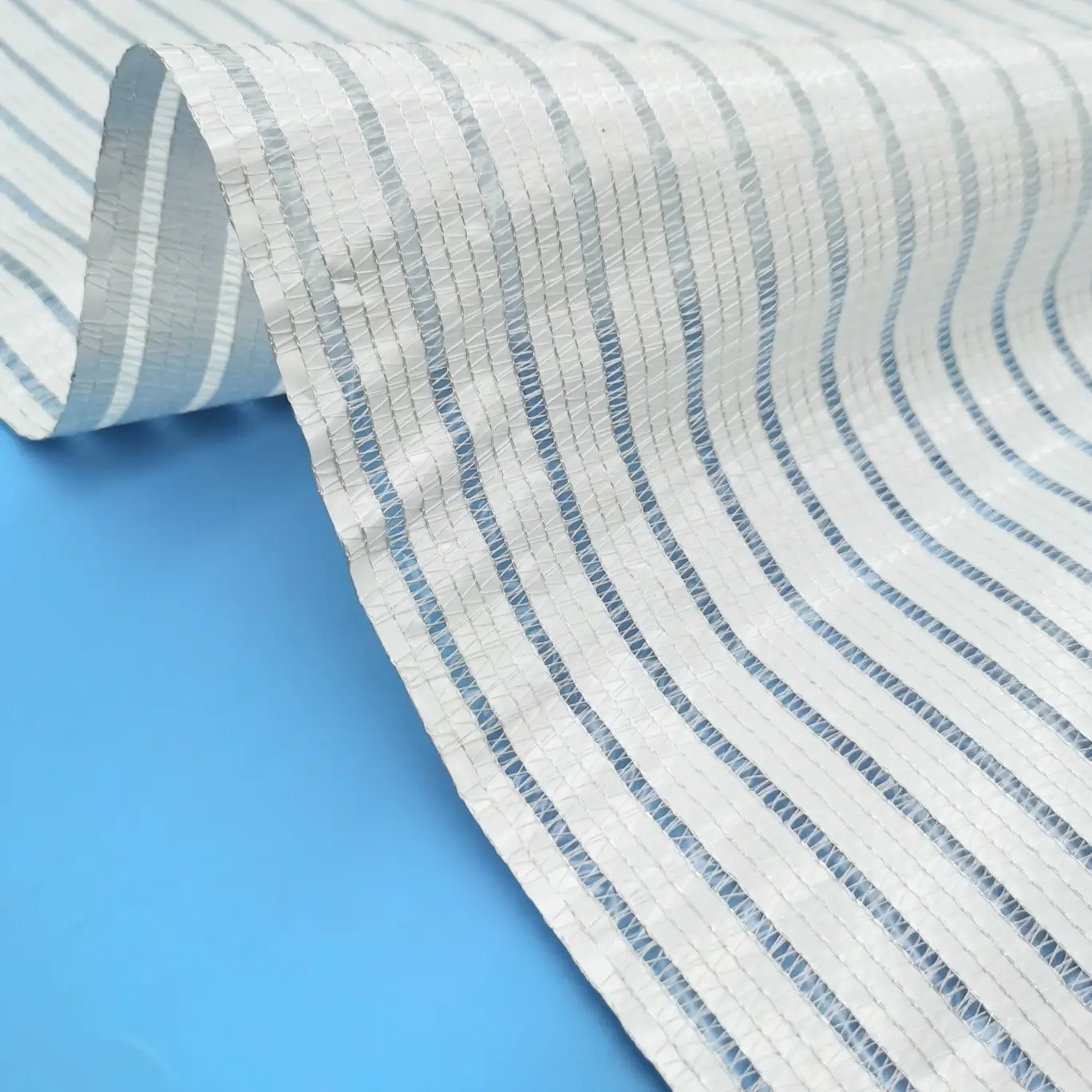
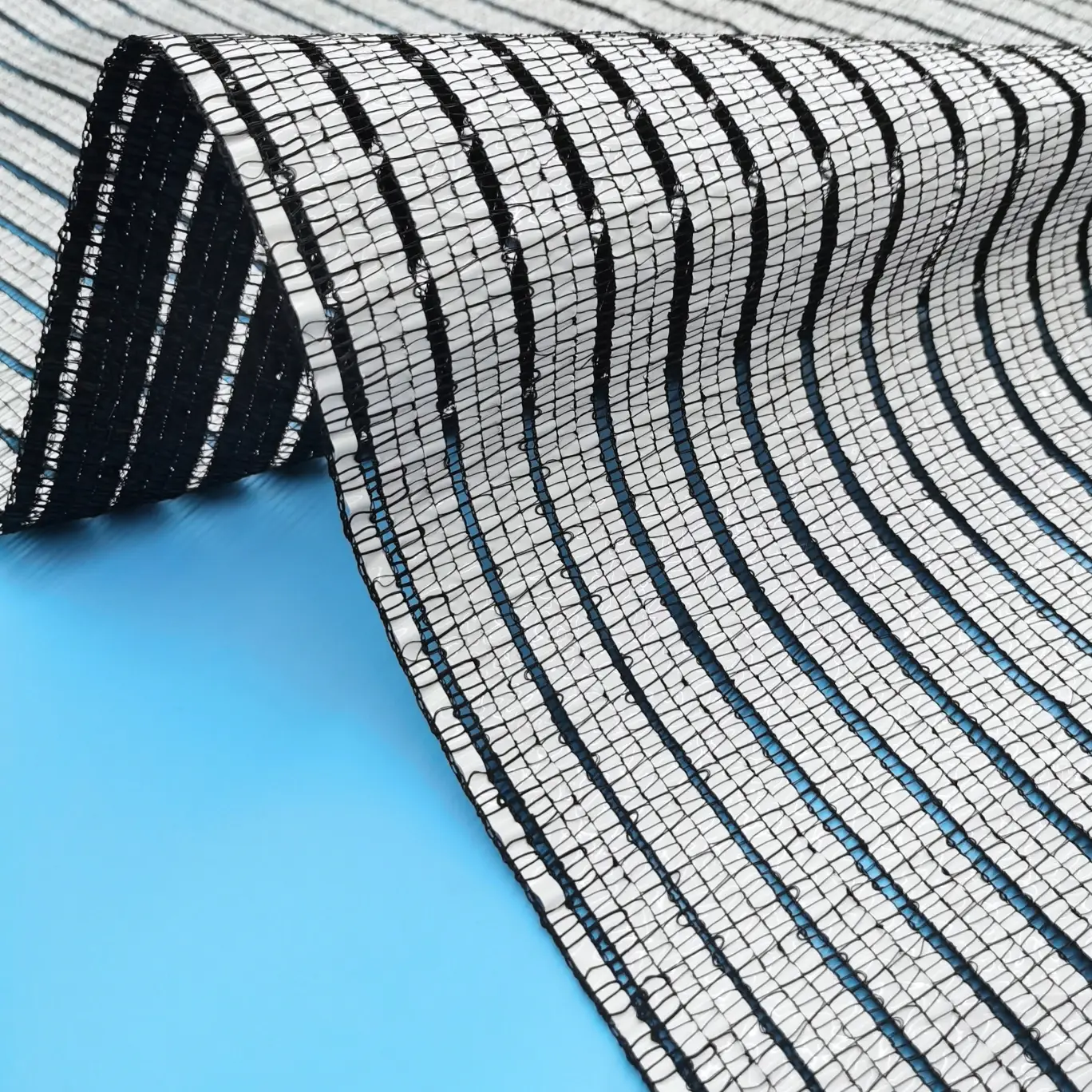
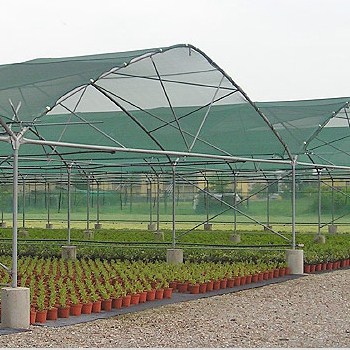
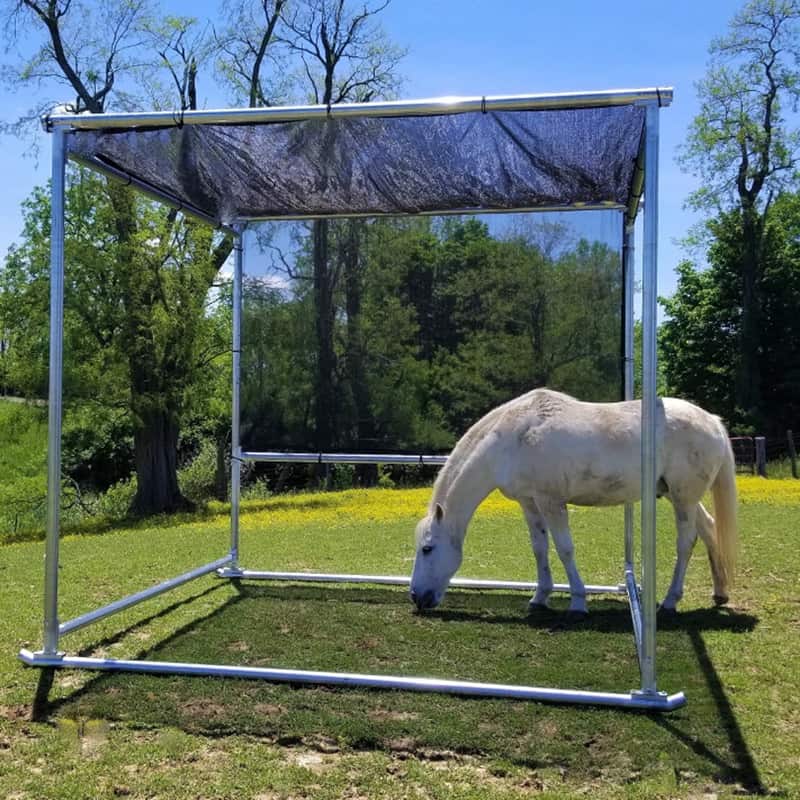
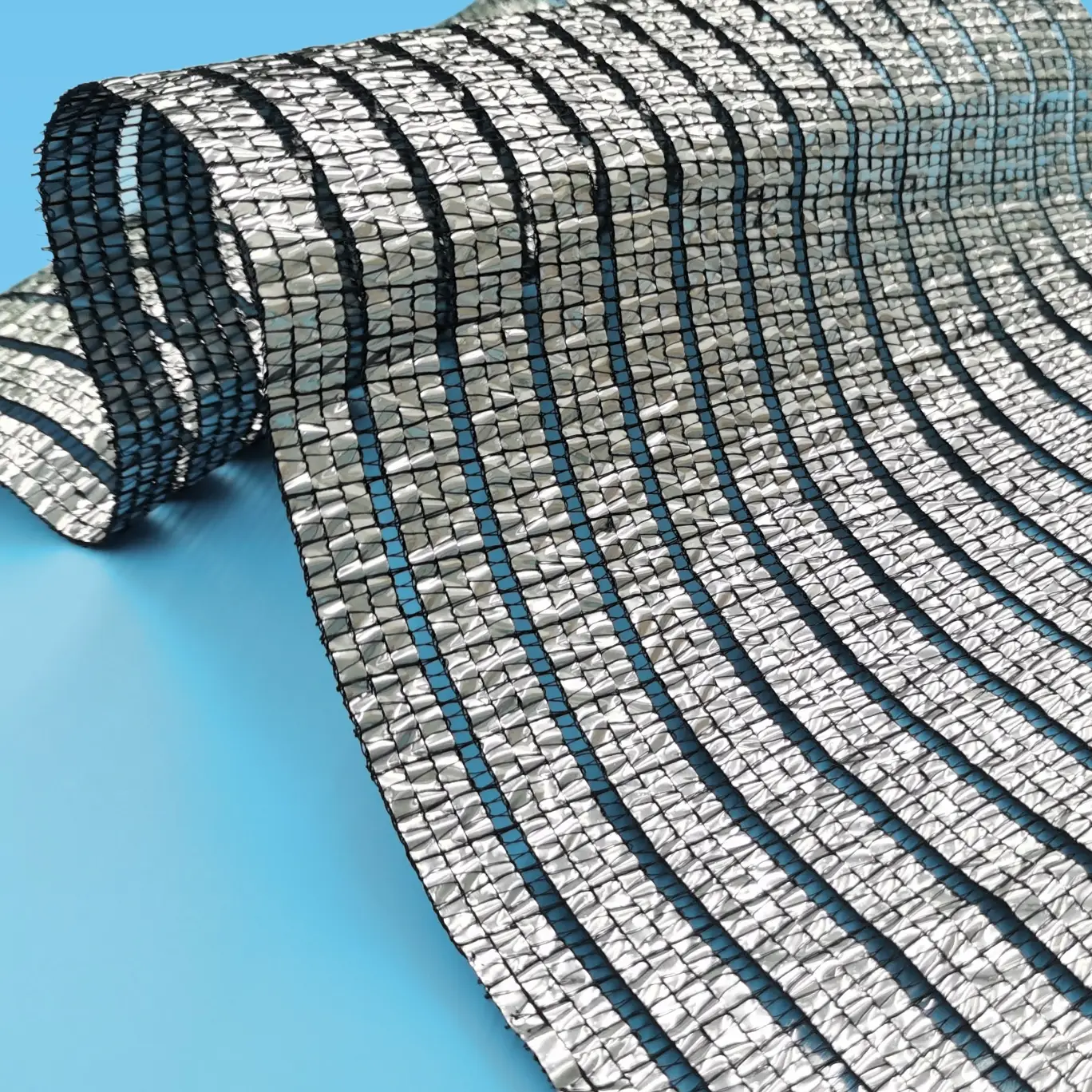
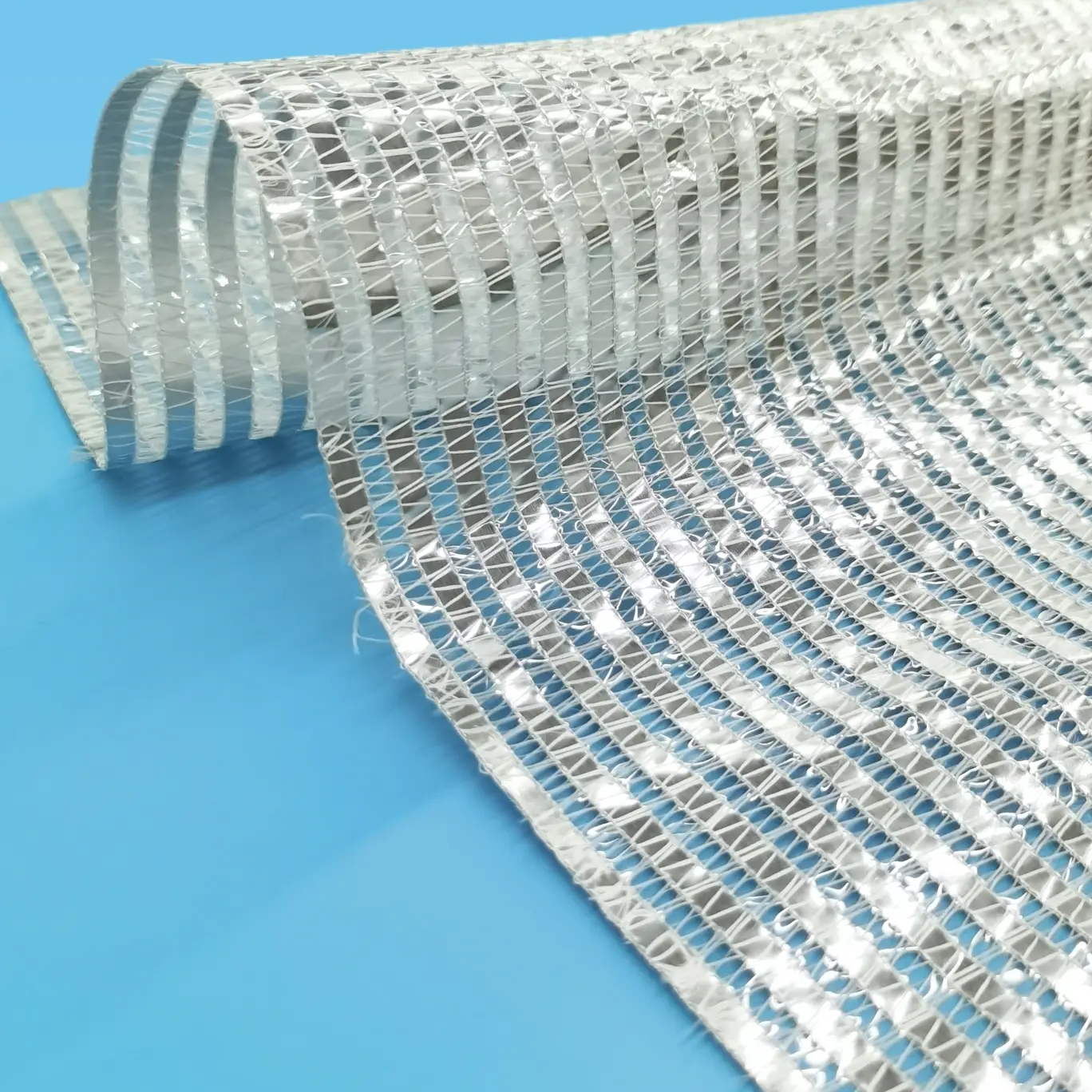
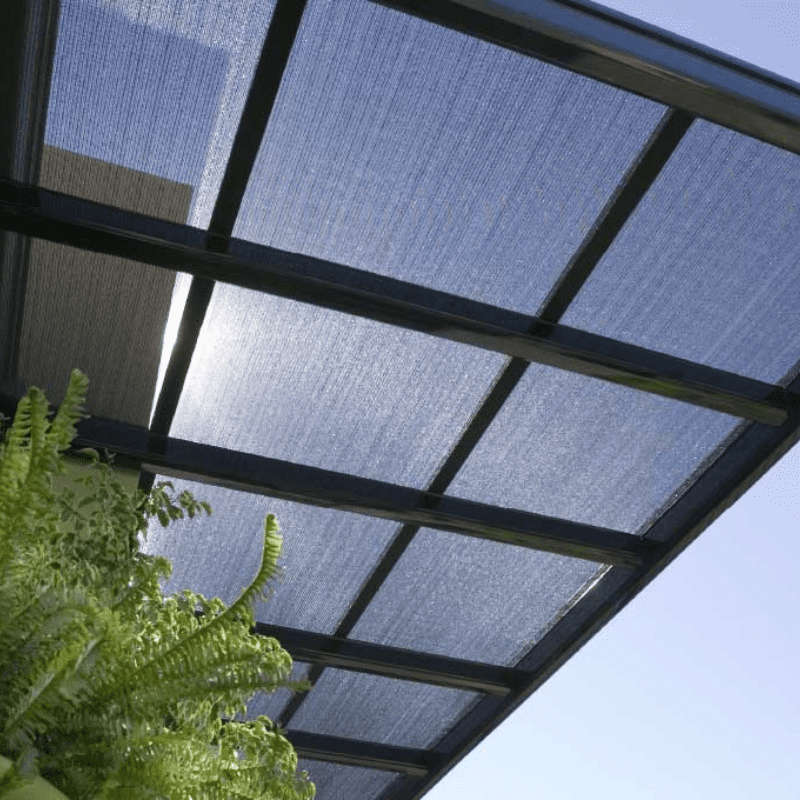
Description Monofilament and tape knitted shade cloth, a combination of warp monofilament yarns and weft tape yarns, combines the advantages of both materials to provide excellent shading and high durability. It is the most widely used type of garden shade netting nowadays. It is also the most economical and straightforward to use. mono tape shade cloth Features: Hybrid Construction: Combines the strength of monofilament threads with the coverage of tape yarns. Enhanced Durability: Resists wear and tear, ensuring a longer lifespan. Optimal Shading: Provides balanced light diffusion for plant protection. UV Resistant: Protects crops from harmful ultraviolet rays. Easy Installation: Lightweight and adaptable to various structures. The main advantage of monofilament and tape knitted shade cloths is that they are lightweight, durable, and easy to install. The monofilament yarns are knitted into a mesh fabric, which provides extra strength and high durability. The tape yarns are used as the weft of the netting to provide excellent shading and good airflow. With our variety of fabrics, you can find a shade cloth that perfectly fits your needs. We also offer custom sizes and colors to meet any application. Available Type EyouAgro® shade cloth is available in three grades: Garden Cover (50% UV block), Screening (70% UV block), and People Cover (90 % UV block). We offer a variety of sizes and colors of fabric sun shades that protect plants from the sun, providing shade and reducing water loss while allowing rain through. They can also be used as a temporary outdoor event awning or greenhouse covering. mono. tape shade net Product No. GSM UV Block Size[m] UV Warranty Ideal for Garden Cover 50% 120 50% 1.83x50m ; 3.66x50m 5 Years Seedings & Plants, Shade House Screening 70% 160 70% 1.83x50m ; 3.66x50m 5 Years Privacy Screening, Wind Break , Vehicle Protection People Cover 90 % 190 90 % 1.83x50m ; 3.66x50m 8 Years Pergolas & Gazebos, Play Area Cover , Pet Protection 50% UV block, Allows for the passage of light and water through its porous structure, while also protecting plants from heat stress. 70% UV block, Allows light and air to pass through, providing privacy while also screening out unwanted views from the outside. 90% UV block, the best UV coverage for personal and pet protection. Application Greenhouses: Provides controlled light for plant growth. Nurseries: Protects young plants from harsh sunlight. Outdoor Crops: Shields plants from UV rays and pests. Livestock Areas: Offers shade and comfort for animals. Construction Sites: Serves as a protective barrier against debris and sunlight. Accessories & Installation installation accessories FAQs WHAT COLOR SHADE CLOTH IS BEST? Which Shade Cloth fabric you choose—black or white, or Aluminet—depends on several factors. The location of your farm or garden, the crops you are growing and harvesting, and how much shade is needed to protect those crops from harsh sunlight will all affect which type of fabric is best for shading. White shade cloth reflects light and heat, lowering the temperature around plants. In warmer climates, white shade fabric is better than black or green because it protects plants from excessive heat. In the hot southern states, white shade cloth will provide more protection than black. Black shade cloth both absorbs light and blocks excess light. The cloth can act like a radiator, transferring heat absorbed by the fabric and releasing it directly at the plants. In warmer climates, black shade cloth can help protect heat-loving crops like tomatoes and peppers. In colder regions, it protects against frost in the shoulder season. In regions where it is undesirable to have extra heat, black may not be a good choice. Aluminum shade cloth, known as Aluminet, reflects light well but is most effective at diffusing it. It reflects light and heat similar to white shade cloth but also increases the full spectrum of light by diffusing it underneath. This shade cloth can help keep the nighttime temperatures down by acting as a thermal blanket. It helps protect plants, which are vulnerable to temperature swings, from sudden changes in the climate. It also works well at retaining heat when installed inside of a structure rather than over the top, and so is ideal for use in heated structures.